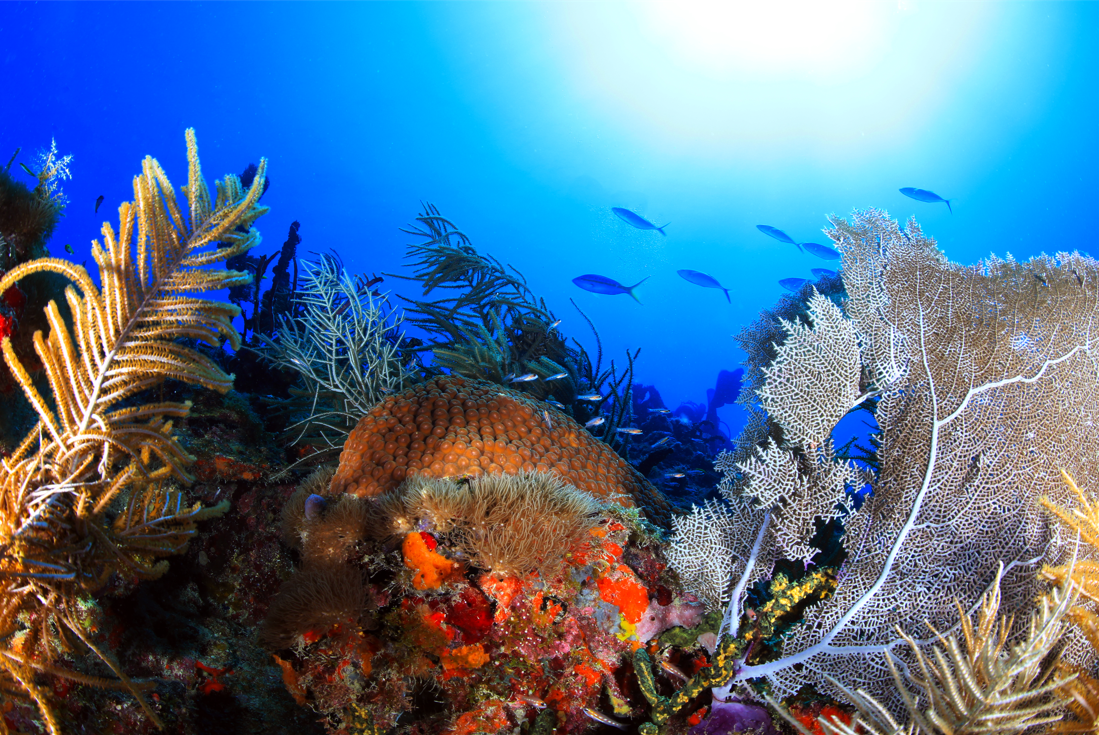
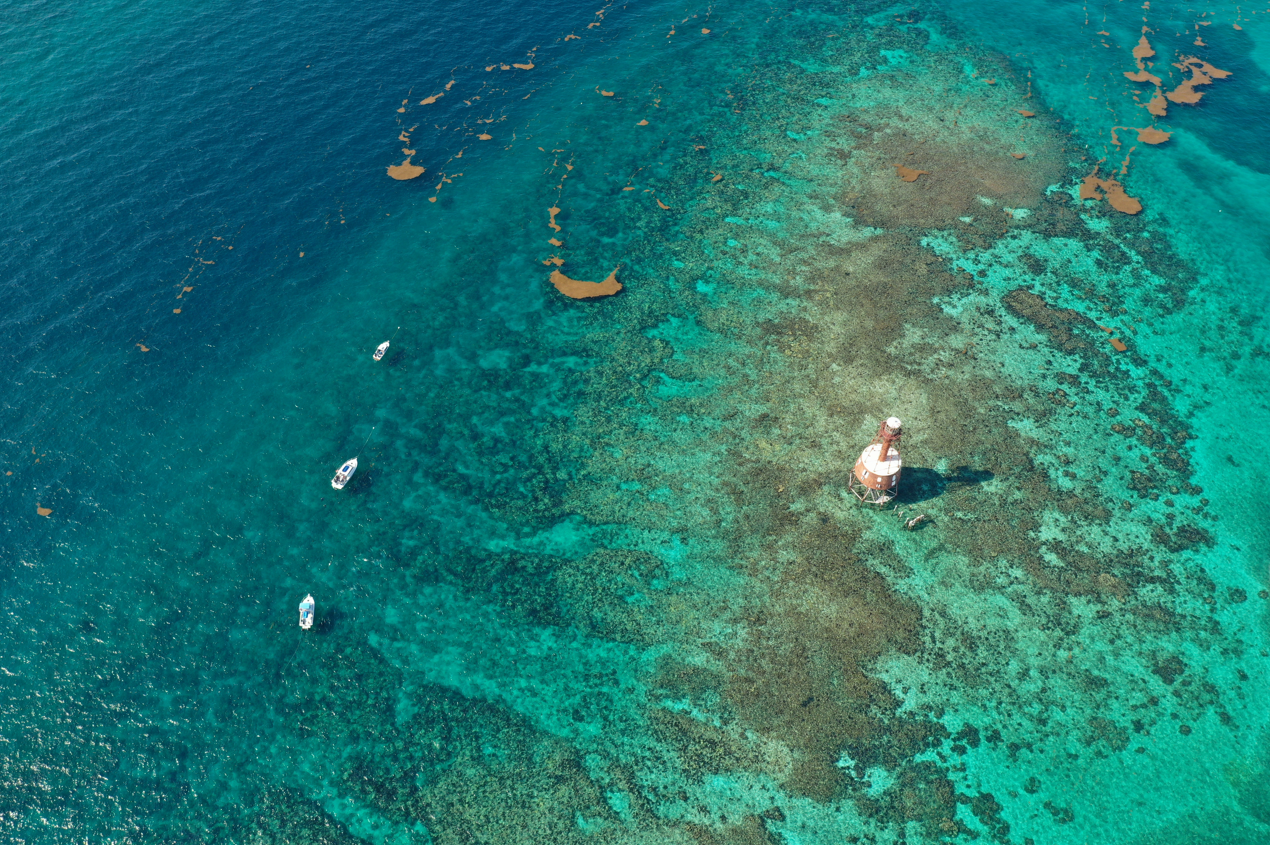
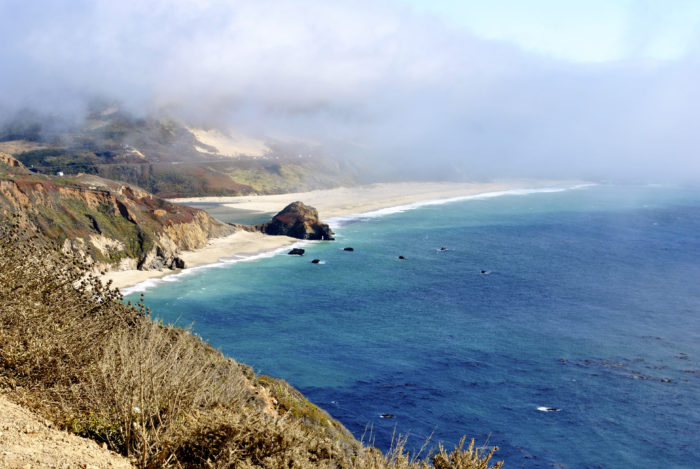
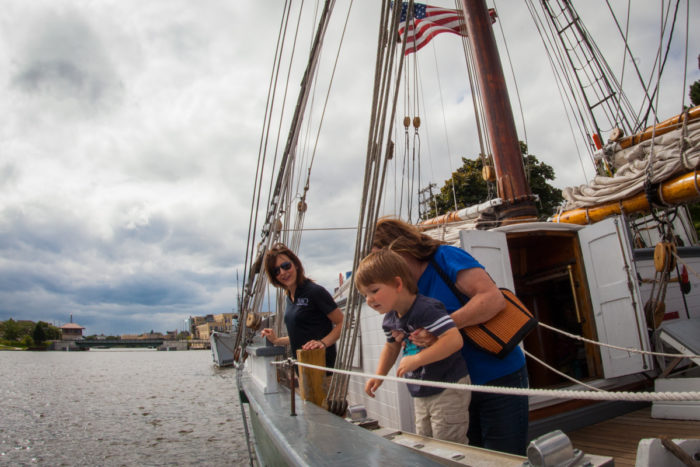
This year reaffirmed a simple truth at the heart of all our work: America’s national marine sanctuaries are “Waters for All”—places where science, community, culture, and enterprise come together to strengthen both ocean and Great Lakes health and economic resilience. As the official nonprofit partner of NOAA’s Office of National Marine Sanctuaries, the National Marine Sanctuary Foundation is proud to support a system that belongs to every American, from the Pacific Islands to New England, and the Great Lakes to the Gulf.
In these pages, you’ll see how our team and partners advanced that mission during a year marked by uncertainty—from federal shutdowns to shifting national priorities—yet despite these obstacles was a year defined by hard-scrabble progress. We expanded access for youth and families, accelerated conservation and restoration in communities on the front lines of change, fueled innovation with new tools and technologies, and delivered on-the-water impact across the marine sanctuary system.
We led the successful removal of the 54-foot derelict fishing vessel Verna A II from Greater Farallones National Marine Sanctuary — pulling it from the sands of South Salmon Creek Beach where thousands recreate and removing a decade-long threat to marine life and a vital coastal tourism economy.
At CHOW 2025, we convened hundreds of policymakers, scientists, conservationists, business leaders, educators, and community advocates under the theme “The Next Wave,” spotlighting cutting-edge science, cultural heritage, resilient coastal economies, and ocean innovation as catalysts for transformative change in our ocean and Great Lakes.
We raised millions of dollars in private and public funding to directly support marine sanctuary operations and staffing, during a time when philanthropic support for nature—especially the ocean—is declining, even as the needs grow more urgent.
This Impact Report also marks the launch of Voyage 2029: Safeguarding our Shared Waters, our new three-year strategic plan. It charts a clear, practical, forward-leaning course that strengthens our partnerships with NOAA, diversifies and grows philanthropic support, elevates communitydriven stewardship, and positions marine sanctuaries as engines of innovation and opportunity for the decades ahead.
Thank you for standing with us in stewardship of our shared waters—and for believing, as we do, that when we invest in our national marine sanctuaries, we invest in a healthier, more resilient future for all.
Thank you for being on this journey with us.
Joel R. Johnson President & CEO, National Marine Sanctuary Foundation
View and Download the PDF Version of the Impact Report
Deep secrets revealed: How local captains and innovative tech are solving Stellwagen Bank's shipwreck mysteries
Before 2024, only 47 of the 200 known shipwrecks in Stellwagen Bank National Marine Sanctuary had been identified, but all that changed after the stunning success of the pilot of the Stellwagen Mapping Initiative this year. In 2025, Foundation and marine sanctuary staff partnered with local fishing captains, using their local knowledge and modified sonar to map large sections of Stellwagen Bank’s seafloor and discover six new marine heritage sites in just days.
6 new shipwrecks
found in 10 days
3%
of Stellwagen Bank National Marine Sanctuary surveyed in just three trips
The National Marine Sanctuary Foundation advanced a new national sports strategy in 2025 by launching a new partnership with the Philadelphia Eagles and their “Go Green” initiative! The “Birds Supporting Birds” partnership shows the power of collaboration between two great teams to protect our ocean.
It will support the Stellwagen Bank National Marine Sanctuary’s Shearwater Tagging Project, an ongoing research initiative that tags and studies great shearwaters’ migration, life cycle, and feeding habits to learn about their role as indicators of ocean health. In Fall 2026, the public will be able to follow along the shearwaters’ journeys on interactive maps available on the Stellwagen Bank National Marine Sanctuary website and reports by the Foundation. The Shearwater Tagging Project is one of several research and education initiatives funded by The National Marine Sanctuary Foundation in Stellwagen Bank National Marine Sanctuary.
Left: Marine Ecologist and Research Coordinator Dave Wiley and a great shearwater; Photo credit: Anee-Marie Runfola/NOAA
Mallows Bay- Potomac River
Mallows Bay Family Fishing Clinic
On October 19, the National Marine Sanctuary Foundation hosted a free family fishing clinic and paddling outing in Mallows Bay-Potomac River National Marine Sanctuary, in partnership with the National Park Trust, Charles County Recreation & Parks, the Coastal Conservation Association Maryland, and Atlantic Kayak. Over twenty participants from families of veterans and active-duty military enjoyed a day of hands-on fishing lessons, as well as a guided kayak paddle to learn about the wildlife, cultural heritage and maritime history of this special place.
Monitor
Monitor: Battle of Hampton Roads Mariner's Museum Exhibit / Event
To celebrate the 50th anniversary of the designation of our nation’s first marine sanctuary, Monitor National Marine Sanctuary, The Mariners’ Museum and Park in Newport News, VA hosted an event in the museum’s USS Monitor Center to commemorate the Battle of Hampton Roads which cemented this ship’s place in history. The event brought together North Carolina’s Office of State Archaeology, Maritime Museums and Aquariums, the National Park Service, and the U.S. Navy for a day of activities to honor Monitor’s historic legacy while demonstrating how this little ship that saved the nation in 1862 still serves the country today.
Flower Garden Banks
Deep reef rescue: teams purge toxic debris from gulf's flower garden banks
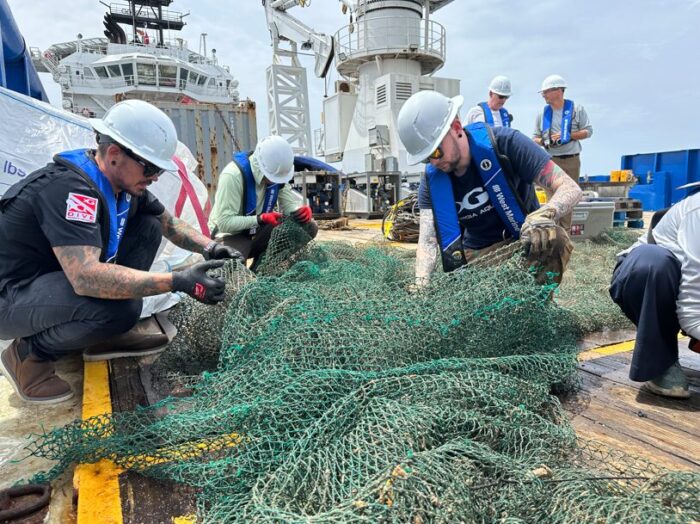
This summer, the Foundation, with funding from the NOAA Marine Debris Program, launched a rare, targeted marine-debris removal effort in Flower Garden Banks National Marine Sanctuary, focused on the mesophotic zone — or “middle light” — home to coral and sponge communities adapted to live in low light. With a combination of scientific oversight, commercial diving, and crane operations, the team purged years of derelict fishing gear and other debris from the marine sanctuary. This dynamic effort helps protect this marine sanctuary’s high biodiversity — including endangered sea turtles and manta rays — by directly restoring its vital mesophotic reef ecosystems.
1,711 pounds
(776kg) of material removed (approximate - two objects too heavy to weigh)
9
large ghost nets
3
trawling sledges
69 meter
section of cable
Top Photo Credit: Chris Ledford/NOAA, Middle & Bottom Photo Credit: Sierra Sarkis/NOAA
Mesophotic and Deep benthic communities (MDBC) in flower garden banks national marine sanctuary
The Foundation is an integral partner in implementing the Mesophotic and Deep Benthic Communities (MDBC) portfolio, a coordinated effort to restore deep habitats in the Gulf after the Deepwater Horizon oil spill, including in and around Flower Garden Banks National Marine Sanctuary. These habitats are home to a diversity of species, including octocorals and sponges, squat lobster, sea stars, anglerfish, and octopuses. In partnership with NOAA and academic and aquarium partners, the Foundation develops and implements education and outreach programs, supports tools including remotely operated vehicles and technical divers, and funds laboratories and experts to inform future restoration work.
GROUNDBREAKING TECHNOLOGY SAFEGUARDS NORTH ATLANTIC RIGHT WHALES IN GRAY'S REEF AND STELLWAGEN BANK NMS
With only about 384 North Atlantic Right Whales left in the world, vessel strikes pose a major threat to their numbers. But with a new use of an existing technology, the National Marine Sanctuary Foundation is notifying vessels about nearby whales. The Foundation is helping install an innovative network of Automatic Identification System (AIS) stationkeepers to fight this challenge. Each AIS unit acts like an air-traffic-control unit for the ocean using a radio, a mini computer, and a cell connection to instantly broadcast a whale’s presence and send a direct alert to passing vessels, suggesting mariners slow down to avoid striking them. We’ve funded the installation of six stations in Gray’s Reef National Marine Sanctuary and three in Stellwagen Bank National Marine Sanctuary so far, helping our partners at MotionInfo in their goal of installing AIS units every ten miles along 1,300 nautical miles of coastline along the East Coast.
9 AIS stations
installed to support two national marine sanctuaries
80%
vessel response rate in pilot studies for speed reduction
Credit: Sea to Shore Alliance/NOAA under NOAA Permit #15488
Florida Keys
FLORIDA KEYS SANCTUARY GUARDIANS PROGRAM
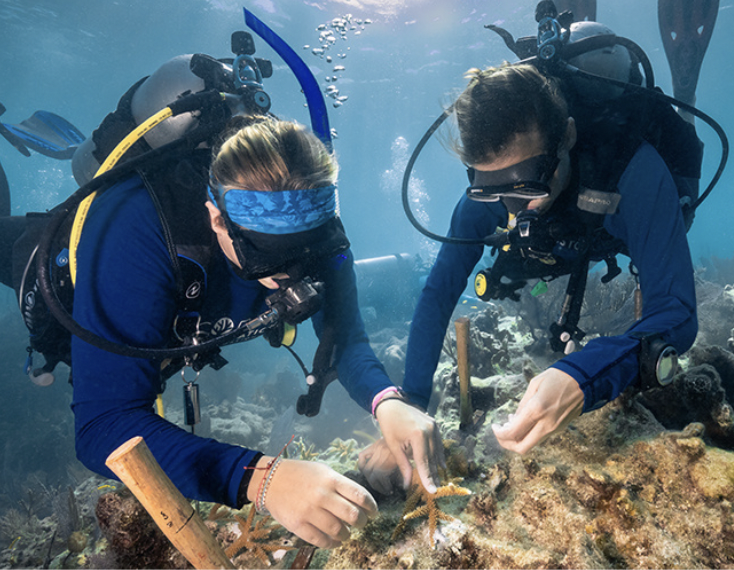
The Sanctuary Guardians program, led by the National Marine Sanctuary Foundation, empowers businesses, locals, and visitors to champion regenerative tourism in Florida Keys National Marine Sanctuary. Regenerative tourism is a proactive and intentional approach to travel that revitalizes habitats, strengthens local communities, and creates net-positive impacts that help our waters thrive for current and future generations. Today’s travelers and customers prioritize sustainability. Sanctuary Guardians connects these eco-conscious travelers and forward-thinking businesses with unforgettable purpose-driven experiences through local conservation efforts, including removing marine debris or invasive species like lionfish, caring for endangered corals and mangroves, and more.
2025 – 2026 HILTON GLOBAL FOUNDATION PARTNERSHIP
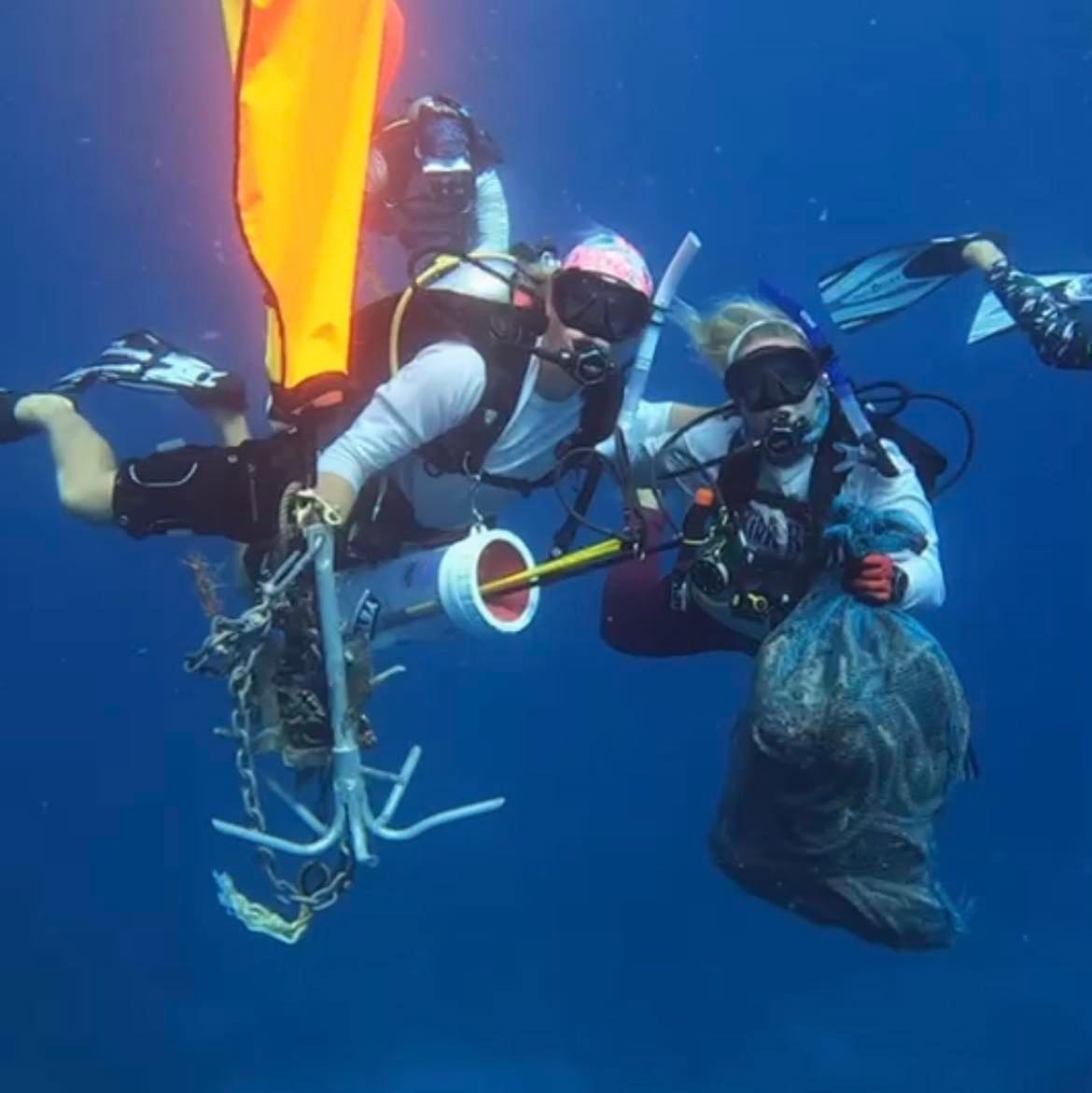
Starting in 2025, the Hilton Global Foundation’s Travel with Purpose campaign partnered with the National Marine Sanctuary Foundation to support the Goal: Clean Seas Florida Keys initiative— empowering visitors and local residents to protect the region’s marine environment through sustainable travel and regenerative tourism. The program collaborates with Blue Star Dive Operators, marine sanctuary-recognized local businesses committed to environmental sustainability. Funding from this initiative will facilitate 73 dive trips, totaling more than 5,250 hours of diver time, dedicated to removing harmful marine debris from coral reef and seagrass habitats. Approximately 1,000 local residents and visitors will be directly engaged in hands-on conservation efforts promoting long-term stewardship of marine resources in the Florida Keys.
73
dive trips
1,000
local residents and visitors engaged
third annual trash derby removes record amount of marine debris
The 3rd annual Foundation-sponsored I.CARE Trash Derby was an unprecedented success, bringing together more than 800 volunteers to clean Florida Keys National Marine Sanctuary for the third year in a row to support the Goal: Clean Seas Florida Keys initiative. This two-day, Keys-wide event saw divers, snorkelers, and land-based participants remove an astonishing 36,000 pounds of debris from reefs, mangroves, and coastlines, doubling last year’s record of 14,000 pounds in a record-breaking haul credited to the healthy competition, advance debris scouting, and land-based cleanups that encouraged broader participation and fun all around. The Foundation extends its heartfelt thanks to our corporate partners, U-Konserve, United By Blue, and Reyn Spooner for their generous support and shared commitment to protecting waters for all.
800+
volunteers
36,000 pounds
of debris cleared
2x
the volunteers participating in 2024
Papahānaumokuākea
RESEARCH CRUISE IN NEWLY- DESIGNATED PAPAHĀNAUMOKUĀKEA NATIONAL MARINE SANCTUARY
The first research cruise in the largest and most recently designated marine sanctuary, Papahānaumokuākea National Marine Sanctuary, documented and assessed long-term coral monitoring efforts and six significant maritime heritage sites by combining traditional knowledge, veteran expertise, and cutting-edge documentation techniques including underwater photogrammetry and 360° virtual reality capture. The goal of this research mission was to ensure these culturally and historically significant resources are preserved for research, management, and engagement with policymakers, educators, and the public.
Hawaiian Islands Humpback Whale
from drones to data: fueling cutting-edge research to protect humpback whales
The National Marine Sanctuary Foundation, with support from the Volgenau Foundation, funds vital conservation science in Hawaiian Islands Humpback Whale National Marine Sanctuary, which deploys suction-cup biologging tags using noninvasive drones to study whale behaviors, conduct photogrammetry and collect breath samples.
60 tags
successfully deployed on whales in 2025
40+ hours
of drone missions conducted since 2024
Left Top Photo Credit: Matt McIntosh/NOAA, Left Bottom Photo Credit: Claire Fackler
volunteers power the annual sanctuary ocean count
The annual Sanctuary Ocean Count is a critical community science initiative hosted by Hawaiian Islands Humpback Whale National Marine Sanctuary. This program engages hundreds of volunteers from January to March, in partnership with the Maui Ocean Center. For four hours each day, volunteers record humpback whale sightings and their surface behaviors from the shoreline. The data is crucial for understanding the abundance of humpback whales in Hawaiʻi. In 2025’s Sanctuary Ocean Count:
2,975
recorded humpback whale sightings
40+
sites in three events
964
volunteers spotting whales
Right Top Image Photo Credit: Christian Crook, Right Bottom Image Photo Credit: NOAA Fisheries, Ocean Alliance/Chris Zadra
Greater Farallones
CLEARING THE VERNA A II: A VICTORY FOR WILDLIFE & COMMUNITY
This year marked the successful removal of the Verna A II, a derelict fishing vessel that posed a threat to the vital coastal ecosystem in California’s Greater Farallones National Marine Sanctuary for nearly ten years. A multi-day operation led by the Foundation, with funding from the NOAA Marine Debris Program, removed 47,000 pounds of marine debris safely without further environmental harm, protecting marine wildlife like the endangered Western Snowy Plover, and restoring a popular shoreline to its natural state. The project showed our commitment to teamwork, resilience, and preserving the health and beauty of our national marine sanctuaries.
47,000 pounds
of marine debris removed
37,000 pounds
of debris - recycled and repurposed
1,000 square feet
of endangered Western Snowy Plover nesting habitat - cleared
Credit (both photos): National Marine Sanctuary Foundation
Monterey Bay
MONTEREY BAY GEAR INNOVATIONS
The National Marine Sanctuary Foundation is committed to protecting endangered whales while supporting sustainable fisheries. On the West Coast, increased whale entanglement risk during seasonal migrations has led to closures for traditional gear use. Our Gear Innovation Program works with California’s Dungeness crab fishers to test emerging gear technologies that reduce entanglement risk while allowing fishing to continue. The Foundation supports a Gear Lending Library and on-the-water gear testing. To date, participating fishermen have carried out 880 trials using six different “pop-up” fishing systems. Successful testing could pave the way for authorization of alternative gear, allowing fishing to continue when traditional gear is restricted.
Left Photo Credit: Timmy Reyes / National Marine Sanctuary Foundation, Right Photo Credit: Katie-Holmes / NOAA
Channel Islands
“IF NOT US, THEN WHO?” VOLUNTEERS STEP UP WITH FOUNDATION FOR DEBRIS CLEANUP
Photo Credit: Annie Lovell
This year, the Foundation partnered with local groups like Santa Barbara Channelkeeper and Island Packers for several clean-up trips in California’s Channel Islands National Marine Sanctuary. Participants collected marine debris on the beaches of these remote, uninhabited islands that act as a natural “catchers’ mitt” for Pacific Ocean trash. The Foundation relies on community support from volunteers, partners and other allies like local lobstermen to help remove debris like lobster traps. It’s partners like these who see immense value in keeping the waters in and around Channel Islands NMS clean and accessible to all.
34,000+ pounds
of debris gone
450,000+ square meters
of wildlife habitat revitalized
400+ cleanup participants
including 49 lobstermen
Olympic Coast
Supporting Restoration: Foundation Partnerships Advance Makah Tribe’s Traditional Fisheries
This partnership that we have with the National Marine Sanctuary Foundation and the NOAA Marine Debris Removal Program is an example of what can be done when we invest in communities and when we invest in Tribal nations to help take care of these places and these environments that are meant to be pristine and benefit the people who live there.
My hope is that our future fishermen will be connected to those waters, that they will continue to pray and do ceremony that we have always done, and that connection remains strong and the blessings that come from it are realized.
We believe the ocean is going to give us everything we need for our daily lives, for our spiritual well-being
– Chairman Timothy J. Greene
Chairman Timothy J. Greene of the Makah Tribal Council on the successful removal of 3,700 tons of large marine debris from Makah ancestral waters in Neah Bay, adjacent to Olympic Coast National Marine Sanctuary
Photo Credit (all Olympic Coast): National Marine Sanctuary Foundation
Neah Bay: Restoring Ancestral Waters
The documentary about this effort has captivated audiences, screening at 24 film festivals and counting, and collecting awards, nominations, and accolades along the way.
Wisconsin Shipwreck Coast
WSC Maritime Museum Partner Exhibits
The Wisconsin Maritime Museum in Manitowoc, WI serves as a visitor hub for Wisconsin Shipwreck Coast National Marine Sanctuary. The recent exhibit upgrades made possible by the National Marine Sanctuary Foundation feature the shipwrecks and stories from this marine sanctuary, with over 100 salvaged shipwreck artifacts and interactive displays on notable shipwrecks and their stories, as well as research and preservation work ongoing with the marine sanctuary and its staff.
Photo Credits Slide 1 and 2: Matt McIntosh / NOAA, Photo Credit Slide 3: David Ruck
Lake Ontario
EXPANDING ACCESS: FOUNDATION SUPPORTS ROV MISSION EXPLORING THE MARITIME HISTORY OF LAKE ONTARIO NATIONAL MARINE SANCTUARY
In May 2025, the Foundation provided key scientific and educational support for a deepwater exploration in the newly designated Lake Ontario National Marine Sanctuary, alongside partners at NOAA, the Ocean Exploration Cooperative Initiative, and the EPA. Maritime archaeologists used advanced ROV and 3-D imaging technology to document 17 deepwater shipwrecks, including a never-before-seen wreck of a 19th-century schooner. The educational mission included live broadcasts from the ship to the general public, including hundreds of students in classrooms. These efforts highlight the Foundation’s commitment to sponsoring both key scientific work and educational access.
27,000+ views
of May 2025 expedition livestreams in Lake Ontario NMS
400 students
engaged across 8 schools
17 shipwrecks documented
including 4 previously undocumented wrecks
First exploration
of a late-19th century schooner livestreamed to the public
Thunder Bay
foundation powers next generation of ocean tech engineers
Thunder Bay National Marine Sanctuary in Alpena, Michigan, hosted the 2025 MATE ROV Competition World Championships. Using remotely operated vehicles (ROVs) that they imagined and built themselves, teams of students from around the world performed missions designed to simulate solutions for real-world ocean and Great Lakes challenges like water acidification and exploring shipwrecks. The competition was a profound student-learning experience that also showcased how the Foundation’s public-private partnerships support education, youth leadership, and exposure to careers in ocean technology in local marine sanctuary communities like Alpena.
The Foundation supports the MATE ROV Competition throughout the National Marine Sanctuary System by providing grants that: train educators, and engage thousands of students in marine tech, connecting and preparing young innovators to explore and protect marine environments. It’s an investment in stewardship that fuels inspiration and our innate human desire for exploration and discovery.
Achievements since 2022:
351 teachers
trained in marine technology programs like ROV building
3,295 student participants
in underwater ROV programs at sanctuaries
$168,620
in grant funding for school & community ROV programs
Community Development
Capitol Hill Ocean Week is our nation’s premier ocean conservation conference, hosted by the National Marine Sanctuary Foundation for almost 25 years. This year, Capitol Hill Ocean Week 2025 convened over 2,000 registered participants from government agencies, non-profits, academia, and the private sector, both online and in-person at the Ronald Reagan Building in Washington, DC.
This year’s theme, THE NEXT WAVE, showcased the cutting-edge advancements and emerging leaders that are shaping and transforming the future of ocean and Great Lakes stewardship, and spotlighted the next wave of transformative change across science, culture and heritage, resiliency, and innovation.
The conference featured four keynote speakers and six plenary sessions on ocean innovation and blue technology, American seafood competitiveness, strengthening coastal communities and economies, innovation driving conservation outcomes, ocean discovery and exploration, and ocean energy.
OPENING KEYNOTE
To open the conference, we were honored to be joined by Chairman Timothy J. Greene of the Makah Tribal Council as the keynote speaker. He shared the story of their tribe’s deep spiritual connection to their waters as ocean people and the impact that the health of the ocean has on their spiritual and cultural existence today and for future generations. He also discussed the partnerships between the Makah Tribe, the National Marine Sanctuary Foundation, and the NOAA Marine Debris Program and how the partnerships arose from common goals, vision, and reverence for the ocean that sustains the tribe’s way of life and drives local economies.
SANCTUARY CINEMA
At CHOW 2025, the new Sanctuary Cinema showcased the work being done in our national marine sanctuaries with film screenings, Q&A’s, and partner talks.
CHOW FUNDER’S ROUND TABLE
The CHOW Funder’s Roundtable convened new prospective partners and potential donors to launch a philanthropic dialogue focused on protecting our ocean and coasts and identifying key sectors that are prime for philanthropic investment in the United States. In a limited funding landscape for the ocean, despite it being responsible for every other breath of life we take, every dollar makes a difference. Our partnerships are essential to power our national marine sanctuaries which are 18 bipartisan laboratories of innovation to test and advance future solutions for the ocean enterprise.
Below photo credits: Representative Chellie Pingree gives remarks at Capitol Hill Ocean Week 2025. CHOW 2025 attendees in the exhibit hall. Norman Vossschulte, Vice President, Fan Experience and Sustainability, Philadelphia Eagles greets Chairman T.J. Greene, Makah Tribal Council. Representatives Rob Wittman and Jared Huffman receive the Leadership Award at the Ocean Awards Reception. Senator Sheldon Whitehouse, Laura Grimm (NOAA Deputy Under Secretary for Oceans and Atmosphere), and Foundation President & CEO Joel R. Johnson attend the Ocean Awards Reception. National Marine Sanctuary Foundation staff at CHOW 2025.
Thank You Donors
The National Marine Sanctuary Foundation is grateful for the partnership of the National Oceanic and Atmospheric Administration (NOAA), whose support makes our mission possible.
We thank the Bureau of Ocean Energy Management, Bureau of Safety and Environmental Enforcement, U.S. Fish and Wildlife Service, Environmental Protection Agency, National Aeronautics and Space Administration, Marine Mammal Commission, and U.S. Department of State for their continued support. We also extend our appreciation to our state, county, city, and Indigenous partners whose support strengthens the Foundation’s work across the country.
We are honored to recognize the following supporters whose generosity in 2024 helped protect our ocean and Great Lakes for future generations.
This list includes supporters of Capitol Hill Ocean Week and the Foundation’s Gray’s Reef and Monterey Bay Chapters.
$250,000 and above
Binnacle Fund, a fund of Tides Foundation
Hilton Global Foundation
National Fish and Wildlife Foundation
The David and Lucile Packard Foundation
The Volgenau Foundation
$100,000 – $249,999
Anonymous
Lenfest Ocean Program
Martin-Fabert Foundation
Nakapuna Foundation
$25,000 – $99,999
Agua Fund, Inc.
American Honda Motor Co., Inc.
Anonymous
Aquarium Conservation Partnership
Cannery Row Company
Suzanne Frey
Gordon and Betty Moore Foundation
Invenergy LLC
Monterey Peninsula Foundation
Oceankind
Range Rover
Santa Cruz METRO
The Marine Debris Foundation
United Way of Collier and the Keys
Walton Family Foundation
$10,000 – $24,999
American Clean Power Association
Atlantic Shores Offshore Wind
Avery Dennison Foundation
Bloomberg Philanthropies Ocean Initiative
Carbon to Sea Initiative
City of Capitola
Cordell Marine Sanctuary Foundation
Sherry Deboer
Department of Commerce Federal Credit Union
EDF Renewables
Gordon & Ronda Eubanks
FishAmerica Foundation
Fugro
Greenpeace USA
HawkEye 360
The Henry Foundation
Hispanic Access Foundation
Honorable Leon & Sylvia Panetta
International Fund for Animal Welfare
John Rudolf Family Foundation
Susanna B. Kondracki
Latham & Watkins LLP
Heather Ludemann
Mark McDade
Monterey Bay Aquarium
Mote Scientific Foundation, Inc.
National Ocean Protection Coalition
Natural Resources Defense Council
New England Aquarium
Ocean Conservancy
The Ocean Foundation
Ocean Winds
Orsted
Pacific Gas & Electric (PG&E)
Pebble Beach Company
Perkins Coie LLP
The Philip Stephenson Foundation
Scripps Institution of Oceanography
Seafood Harvesters of America
Shell New Energies US LLC
Smithsonian Institution
Mike & Sarasina Tuchen
University Corporation for Atmospheric Research
University of Rhode Island Graduate School of Oceanography
Woods Hole Oceanographic Institute
World Wildlife Fund
Yamaha Motor Corp.,U.S.A.
$1,000 – $9,999
Anonymous
Mr. Jose H Astorqui
Atlantic Strategies Group LLC
Bay Federal Credit Union
Wendy Benchley
Gene & Genie Bernardini
Daniel Bernstein
Hardin Bethea
Mrs. Barbara Birdsey
BoatUS Foundation
Suzanne Bohan
Malina Breaux
Buck Electric
Nikki Buffa
Builders Vision
Robert Buono
Central Coast
Community Energy
Ted Cheeseman & Renee DeAngelis
Clear Advocacy
Jim & Diane Coward
Cynthia Crass
Mrs. Diane H. Davidson & Mr. Seth A. Davidson
Dawn Patrol Fund
Mercedes De Luca
Kirk Deeter
Gary Demasi and Stirling Spencer
Dream Inn Santa Cruz
Earthjustice
Environmental Investigation Agency
ESP Advisors
Sam & Sharry Farr
Colleen Fitzpatrick
Joanne Flanders
Syd Geraghty
Karen Grimmer
Dan & Rebecca Haifley
HawkTower
Ben & Carole Heinrich
Julie Hill-Gabriel
Tony & Ann Hines
Richard Holmquist
Island Packers
Jason & Amy Ivey
J.C. Lewis Foundation
Frederick & Barbara
Keeley
Heidy & Peter Kellison
Amy Kenney
Alex & Kimberly Klikoff
Kathleen Kreider
Frans Lanting & Christine Eckstrom
Vittoria Lecomte
Lora Lee Martin
Ehud Levy
Steve Lohr
Yvette Lopez-Brooks
Mark Luther
Lynker
Lynn and Jonathan Norton Gift Fund
M. Piuze Foundation
Nicole & Clint Mattacola
Maui N Inc
Kevin & Annie Meyer
Donna Meyers & Birdie Hunter
George Miller
Margaret Moloney
National Geographic Society
National Park Foundation
National Wildlife Federation
The Nature Conservancy
John & Renee Nelson
One Cool Earth
Julie Packard
Packs Family
Pebble Beach Company Foundation
Gail Pellerin
Perkins Coie Foundation
Mr. & Mrs. Martin Peters
Susan Prest
Protect Our Mother
Dr. Richard Pyle
Beth Rice
Dawn Rodney
Santa Cruz County Bank
Savannah Community Foundation
Kim Sawicki
The Schlinger Foundation
Jason & Julie Schnitzer
Kiersten & Lindsay Silver
LaTresse Snead
The Stimson Center
Strahle Legacy Planning Law Offices
Joseph Tell
Tito’s Handmade Vodka
United By Blue
Martine Watkins
Kari Wolff
Lisa Wooninck
Chelsea Yost
Laura & Scott Zagar
Virgil Zetterlind
$500 – $999
Terry Alan Trumbull
Sally Allen
Amy Alpine
Anonymous
Bay of Life Fund
Priscilla Beissel
Lauren Bennett
The Bill and Freda Smith Family Fund, Communities of Coastal Georgia Foundation
bp North America
Brad Brereton
Sue Chaplin Ebanks
The Colbert Clan
Communities of Coastal Georgia Foundation
Sarita Corn
Donald Craig
Angel Diaz
Dr. Justin Dunnavant
Beth Fabinsky
The Faramazyan-Marirosyan Fund
Zsofi Fenyo
Jean Flemma
Mr. Josh Franklin
Fremont Group
Angela Fritz
Roxane Geggie
Michael Gorback
Gina Greer
Mark Groenheide
Parrie Henderson-O’Keefe
Lisa & John Henschel
Thomas Horvath
Steve James
Miriam John
Dawn Kernagis
Johan Klehs
John Korby Paulsen
Kunori Pacific College, Inc.
Renee Kwan
Andrew Lawson
Alan Leonardi
Gwyneth Lloyd
Hayley Louth Ditzler
Dr. Jane Lubchenco
Tony MacDonald
Heather Mannix
Maui Ocean Center, Inc.
Jess McCarron
Ashleigh McGovern
Paul Michel & Barbara Plank
Christeen Mix
Anthony Moffett
Pacific Islands Institute
Claire Paris
Mark Passero
Megan Patton
Kellie Ralston
Rebecca Reese
Patricia L. Richardson
Amanda Robinson
Buffi Robinson
MK Rosack
Thomas & Rosemary Rowley
Oystein Saebo & May Roen
Annie Sawabini
Max Scagnetti
Kristi Scott
Carla & Craig Seebald
Katie Sheahan
Shell Oil Company Foundation
Susan Sherman
Jon & Margie Sisk
Brandon Southall
John & Katharine Spencer
Kim Stemler
Lori Stewart
Craig & Rhonda Vachon
Angelo Villagomez
PJ Webb
Bailey Weinhold
John Wigg
Zdenka Willis
Jordan Xu
national marine sanctuary foundation board of trustees
Dawn Rodney, Co-chair
Laura Zagar, Co-Chair
Elizabeth Crego, Treasurer
Mark McDade, Secretary
Jose Astorqui
Barbara Birdsey
Nikki Buffa
Dr. Justin Dunnavant
Dr. Fabrice Egros
Suzanne Frey
Rear Admiral Tim Gallaudet (Ret.)
Chairman Timothy J. Greene
Susanna Kondracki
Heather Ludemann
Jodie Ng
John Armor (ex-officio)
Joel R. Johnson (ex-officio)
national marine sanctuary foundation leadership team
Joel R. Johnson, President and CEO
Veronica Ali, Chief Financial Officer
Allison Alexander, Sr. Vice President, Program Operations and Workforce Development
* Other revenue reflects supplemental income such as investment returns, merchandise sales, and other one-time sources that help support the Foundation’s mission.